
The complete guide
A Practical Guide to Choosing a Dozen Golf Balls
Running low on golf balls is a small problem that can interrupt an otherwise well-planned round. You may want a fresh supply for practice, replacement golf balls for your bag, or a practical gift for someone who plays. In each case, it helps to know exactly what a pack contains before you buy.
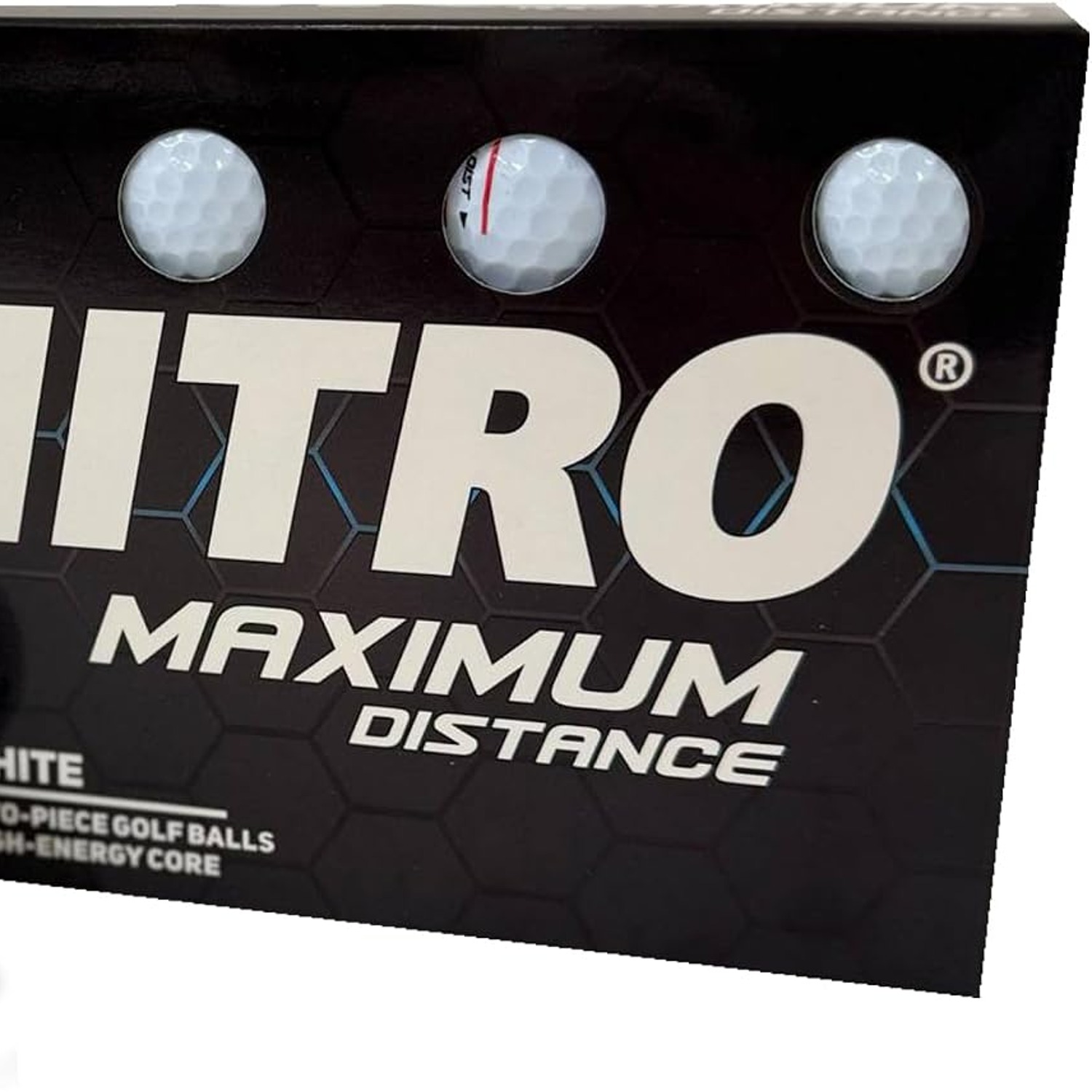
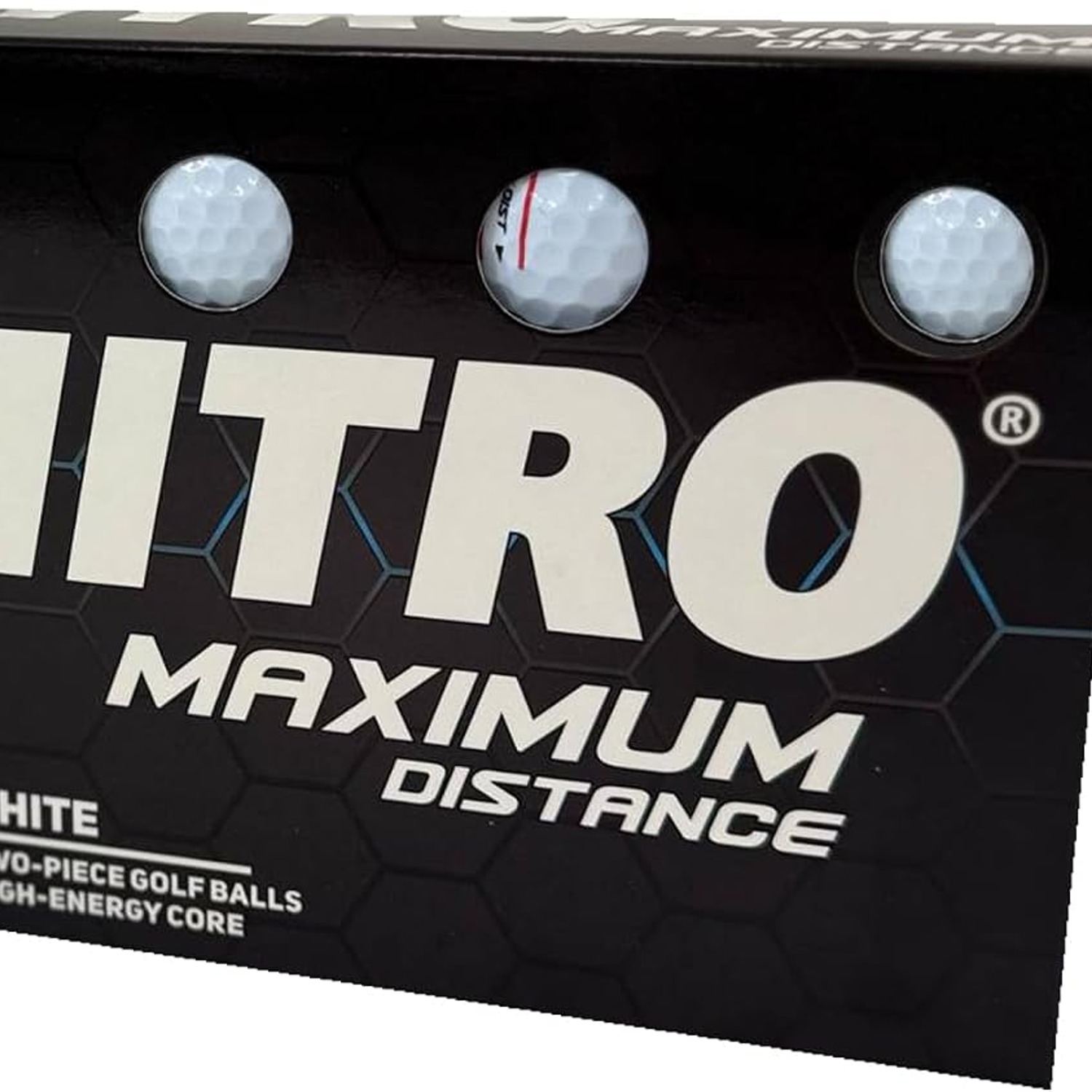
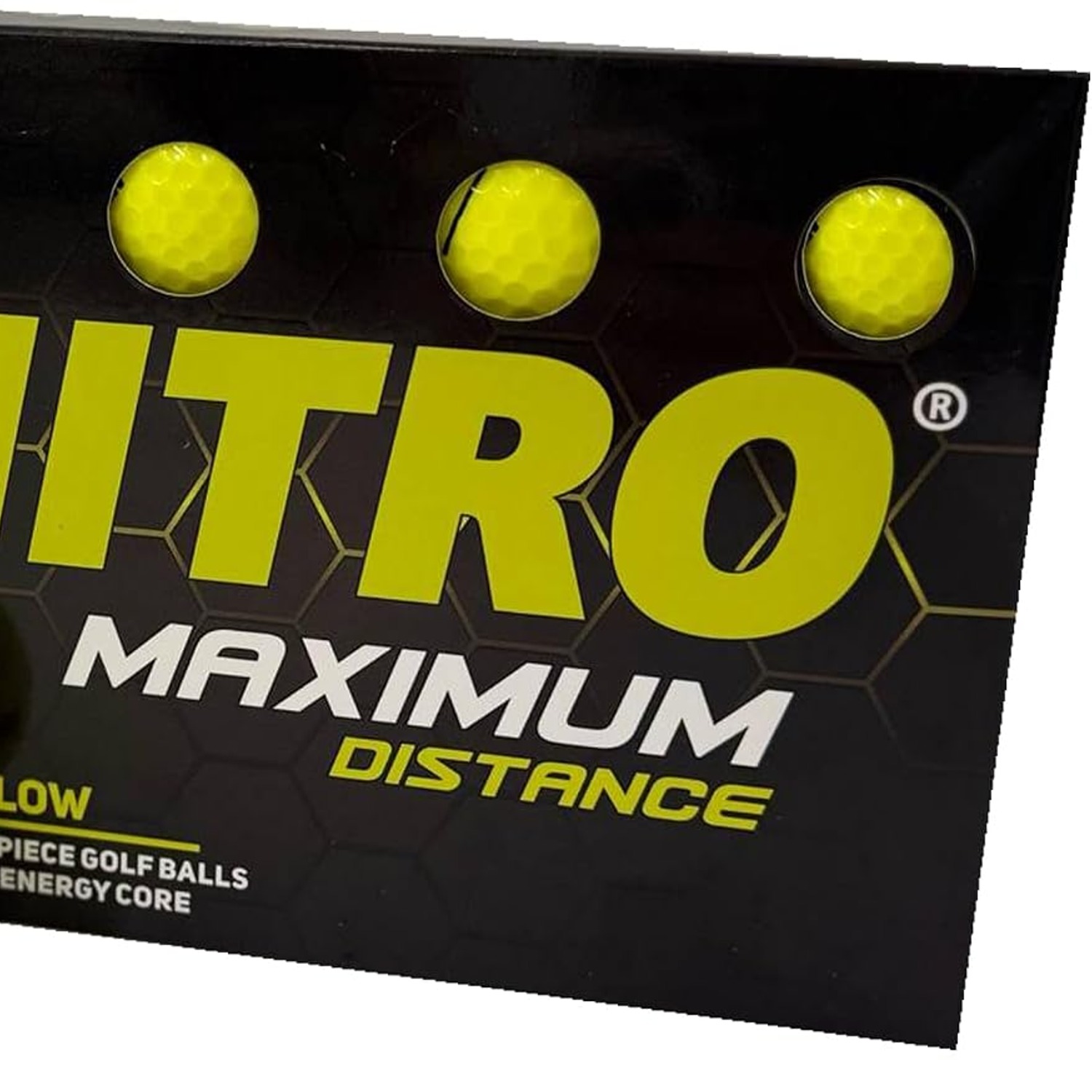
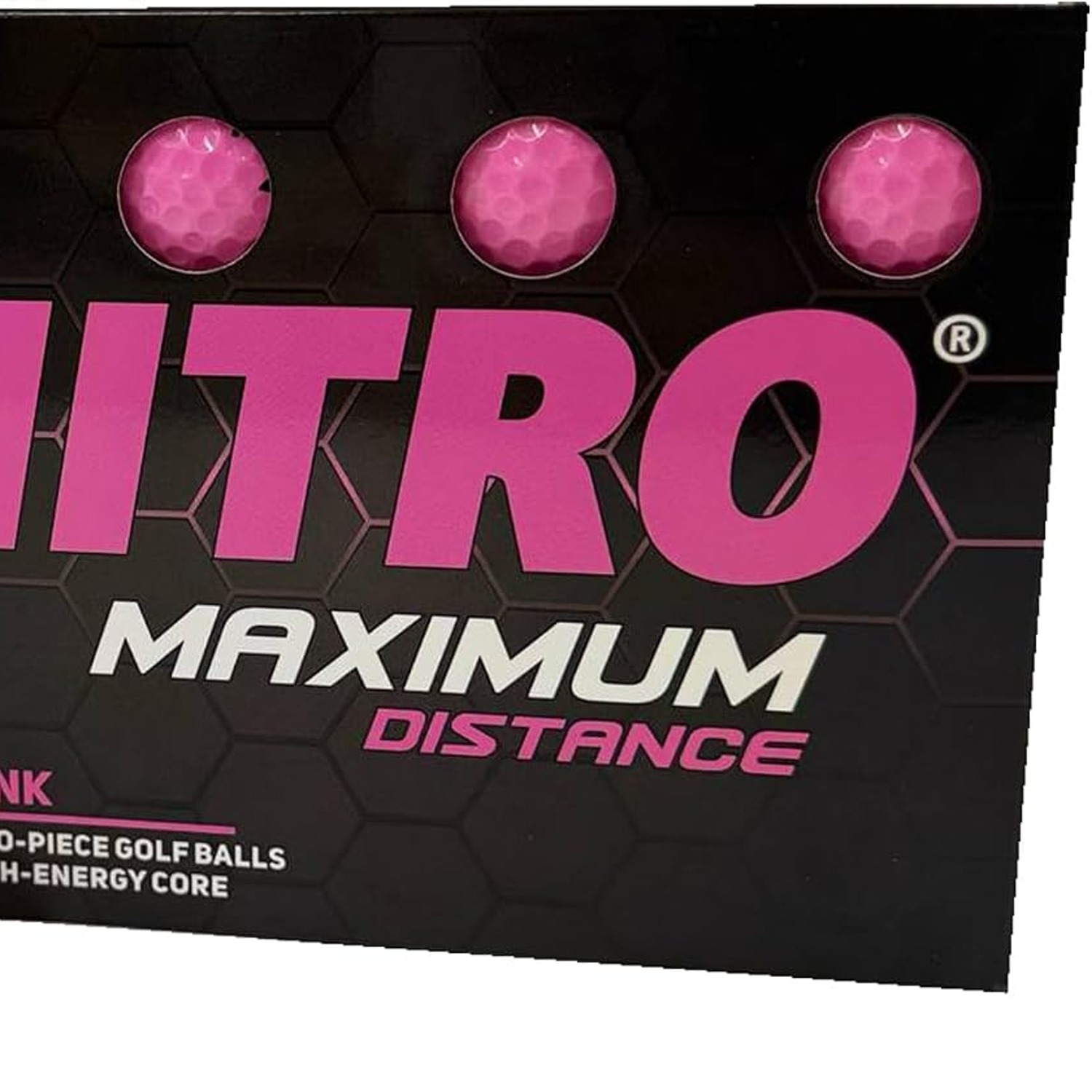
This Distance Golf Balls pack contains 12 white balls in four boxes of three. The listed construction is two-piece, with a titanium core and a Dupont Lithium Surlyn cover. Those are useful starting points for comparing it with other options.
The next step is deciding whether those details match how you play. A product name alone cannot tell you how a ball will feel off your clubs or what results you will get. This guide keeps the known facts separate from the choices you will need to make for yourself.
Start with what is in the box
The total quantity is one dozen golf balls. The four-box packaging does not mean four dozen, so use the stated total of 12 when comparing prices with other packs.
Each smaller box contains three balls. That format gives you a simple way to divide your supply. You might put one box in your golf bag and keep the others with your spare equipment, rather than carrying the whole pack every time.
When comparing boxed golf balls, check both the total count and the number in each smaller box. Similar-looking products can describe their packaging differently. Here, the stated arrangement is clear: four boxes, three balls per box, 12 balls overall.
No additional accessories are listed. Base your purchase on the balls and packaging described, rather than expecting tees, a marker, or a storage pouch.
Understand the two-piece construction
Two piece golf balls have a core and an outer cover. For this product, the core is listed as titanium and the cover as Dupont Lithium Surlyn. The maker does not give a more detailed breakdown of the core composition or a cover thickness.
Construction is worth noting because it helps you compare products on a like-for-like basis. It does not, by itself, settle how a ball will behave for every golfer. Your strike and the conditions on the day still matter.
If you already play with a ball you enjoy, check its published construction before making a comparison. You may find that you are comparing similar designs, or that the alternatives differ in several ways.
Avoid treating a material name as a promise. Titanium core golf balls and Surlyn cover golf balls are useful search phrases, but they are not substitutes for trying a ball and judging your own results.
Keep distance expectations realistic
The product is called Distance Golf Balls. That name does not establish a measured gain in carry or total distance for your swing.
There is no stated yardage improvement in the maker's description. There is also no numeric compression rating that would let you make a precise comparison on that basis. If either figure is central to your buying decision, seek confirmed information rather than filling in the gaps.
A useful approach is to compare a few shots with your current ball during practice. Keep the club and target the same where possible. Pay attention to the quality of contact, since a mishit is not a fair test of a ball.
Look for patterns over a session rather than choosing on the strength of one long shot. The aim is to find equipment you are comfortable using, not to force a result that the maker's description does not promise.
Decide whether it suits your golf
The stated age range is adult, and the listed uses include golf practice and tournament play. No specific handicap range or swing-speed recommendation is provided.
For an adult who wants a fresh supply for practice, the main questions may be simple. Is 12 the right quantity? Do you want white golf balls? Are you comfortable trying the listed construction?
A more particular player may need extra information before switching from a familiar ball. Feel around the green, response on putts, and performance with different clubs are things you may want to assess yourself.
Neither approach is wrong. Someone restocking a casual golf bag may have different priorities from someone selecting a ball for regular competition. Buy for your actual needs, not an assumed skill category.
Check competition requirements separately
Tournament play appears among the listed uses. That is not the same as confirmation that the ball meets the requirements of every event.
Before taking it into a competition, check the organizer's ball rules and any required eligibility information. This page does not confirm approval by a golf rules body.
It is better to settle that question before the day of play. If you cannot confirm that a ball meets an event's requirements, use an option whose eligibility you can verify.
For practice outside a competition, follow the rules of the facility you are using. Some practice areas have their own instructions about which balls may be hit.
Compare the details that are actually supplied
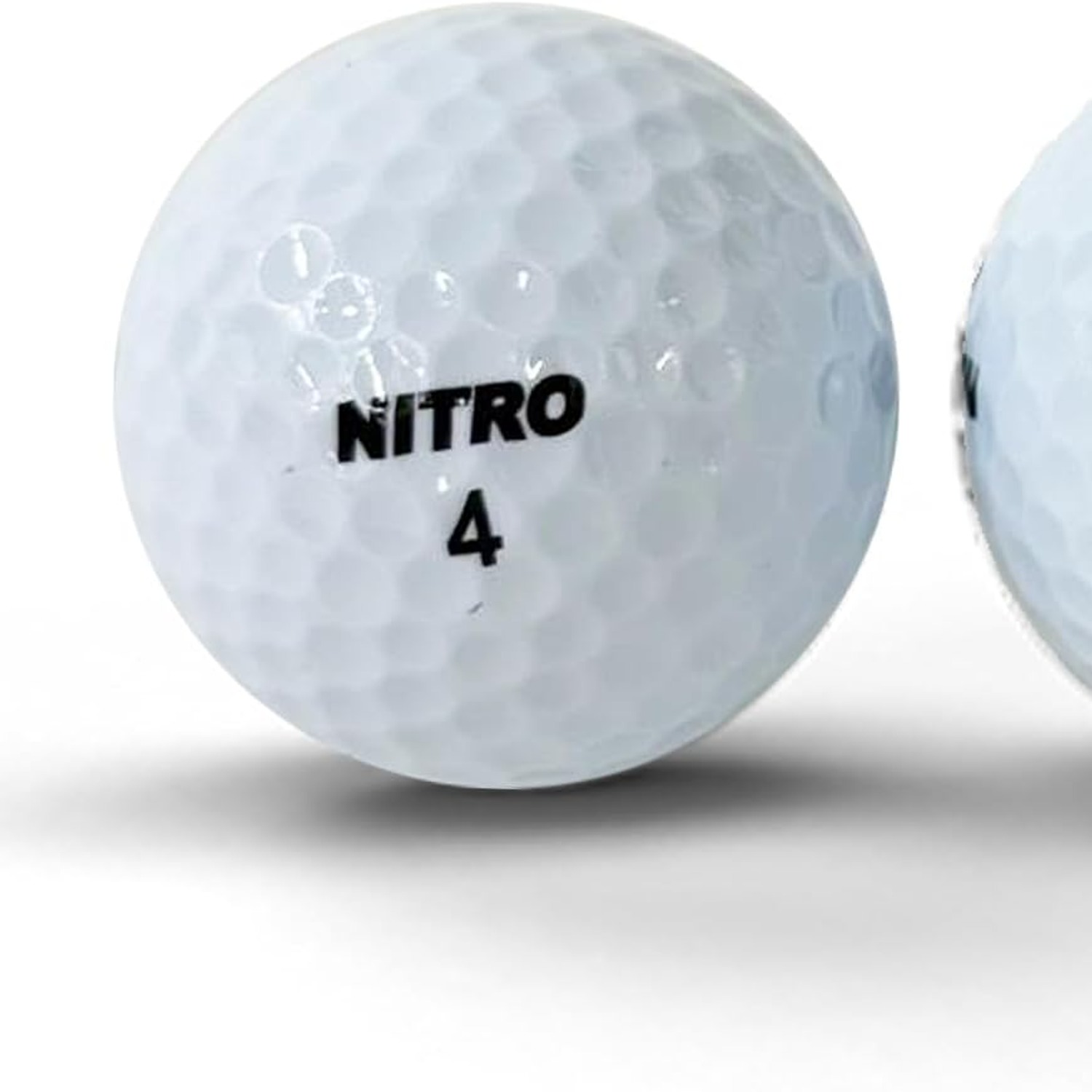
The listed ball diameter is 1.68 inches. The color is white, and the condition is new. These are concrete details you can place beside those of another product.
Other information is not specified. There is no numeric compression rating, dimple count, or packaging size in the maker's description. Country of origin is also not stated.
Missing information should remain a question, not become an assumption. A photo or a familiar-looking cover is not enough to establish an unlisted specification.
When comparing several packs, separate essential requirements from preferences. If a certain compression rating is essential, a product without that figure may not give you enough information. If your main need is a dozen white balls for adult practice, the stated quantity and construction may be more relevant.
Use a practice session to judge the fit
Trying a different golf ball is easier to assess when you keep the session simple. Start with familiar clubs and ordinary targets rather than changing several parts of your setup at once.
You could compare putts first, then short shots, followed by longer shots where the practice setting allows. Notice what feels comfortable and what seems different, without assuming every change comes from the ball.
Use suitable practice space. These are not listed as foam balls or lightweight indoor training balls, so do not treat them as an indoor substitute.
If you record your observations, keep them plain. Notes about contact, putting feel, and your own preferences can be more helpful than a broad judgment after a single shot. The best golf practice balls for you are the ones that fit the way you actually practice.
Care for the balls between sessions
Dirt can make it harder to inspect a ball clearly. Wipe the surface with a soft damp cloth after use, then dry it before putting it away.
Avoid harsh cleaning chemicals and abrasive scrubbing. There is no detailed cleaning procedure supplied for this product, so a gentle approach is sensible.
Take a moment to look for cracks or cover damage. Set a visibly damaged ball aside rather than assuming it will behave like an undamaged one.
Keep unused balls together in a clean, dry place. The smaller boxes can help you separate fresh balls from those already carried in your bag. That also makes it easier to see how many replacements you have left.
Think about gifting and spare supplies
A golf ball gift can be practical, especially when the recipient regularly needs replacements. This pack offers a stated quantity and four smaller boxes rather than an unspecified mixed assortment.
Still, golfers can be particular about their equipment. If possible, check whether the person prefers a certain construction or already uses a specific ball. A useful gift is one that fits their habits.
For your own spare supply, consider how quickly you use a dozen. Buying a known quantity makes it easier to plan, but there is no need to choose a larger amount simply because another pack contains more.
Compare the current price per ball alongside the details that matter to you. Quantity alone does not tell you whether a product suits your game.
Check delivery and returns before ordering
Review the delivery information for your address before ordering, particularly if you need the pack for a planned round or a gift.
The maker's description currently shows the product as in stock. Availability can change, so confirm the details at checkout rather than relying on an earlier visit.
Change-of-mind returns are available within 14 days of delivery, with the customer paying return postage. Applicable rights under the consumer protection law of your state also remain in place.
If you think the pack may need to be returned, contact us promptly for the process. Do not assume that using the balls will leave change-of-mind return eligibility unchanged.
The short version
This pack contains 12 new white golf balls, arranged in four boxes of three. The listed design is two-piece, with a titanium core and Dupont Lithium Surlyn cover.
Consider it if those facts match your need for adult golf practice or a fresh supply for play. Check competition requirements separately, leave room for personal preference, and do not expect an unlisted distance gain. A clear match to your needs is a better reason to buy than a performance promise the maker's description cannot support.