

The complete guide
Choosing a Golf Swing Trainer for Your Practice Space
Start with the practice you want to do
Buying golf equipment can be harder than finding time to practice. Similar-looking aids often have different lengths, grip shapes and intended uses. A clear starting point helps you avoid buying something that does not fit your space or your plans.
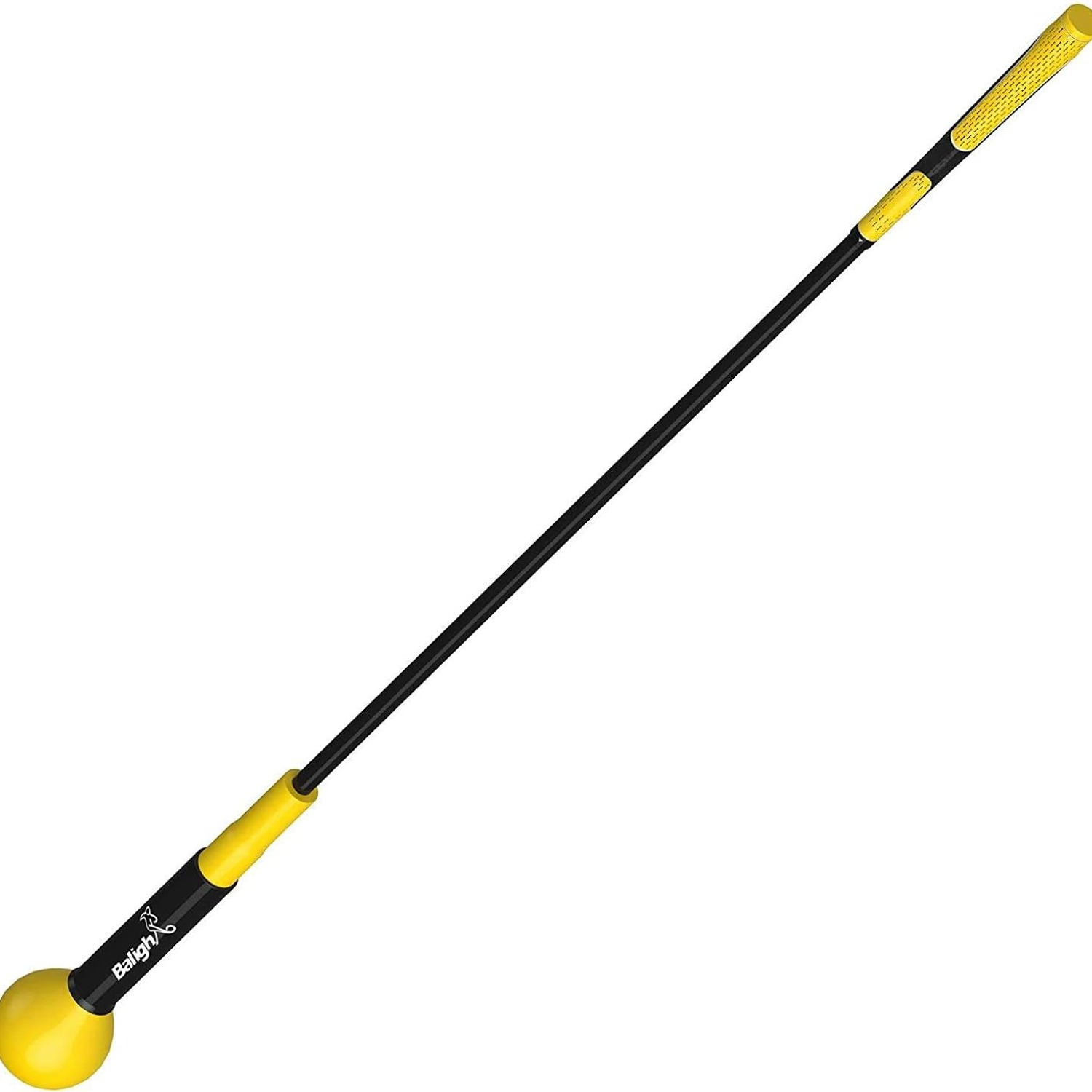
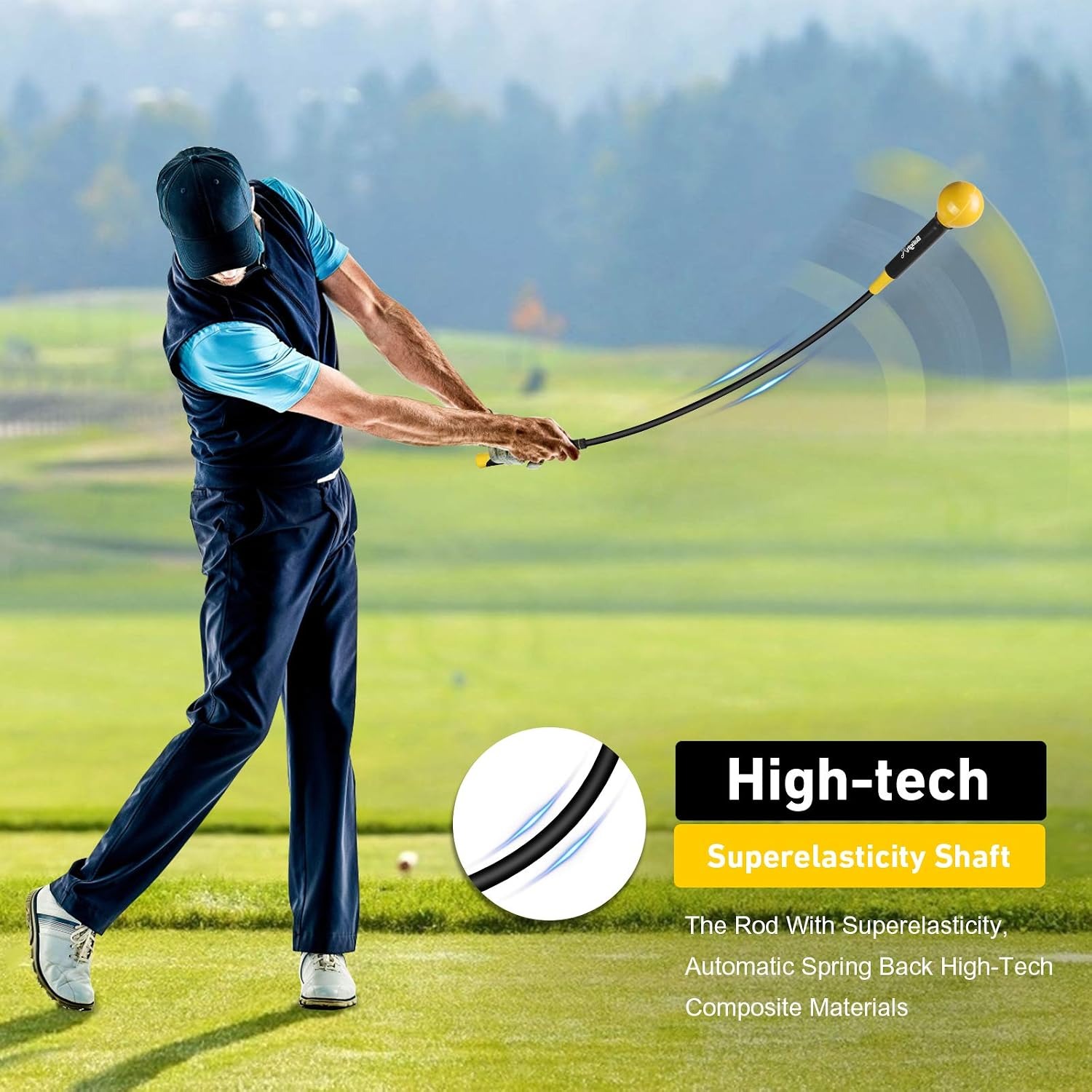
This Golf Swing Trainer is listed as a single-item, 48-inch training aid. Its hand orientation is ambidextrous, and the product details list a rubber grip and rubber composite shaft. Those are useful facts for comparison. They do not tell you how much your swing will change or how quickly.
Before choosing a golf swing practice aid, decide what you want to work on and where you will use it. If you already take lessons, ask your instructor whether this type of equipment fits your current practice plan. A purchase is easier to judge when you have a clear use for it.
What this trainer offers on paper
The selected size is 48 inches. The pack and item counts are both one, so this is a single trainer rather than a set of different lengths. Extra balls, a storage bag and other accessories are not specified as included.
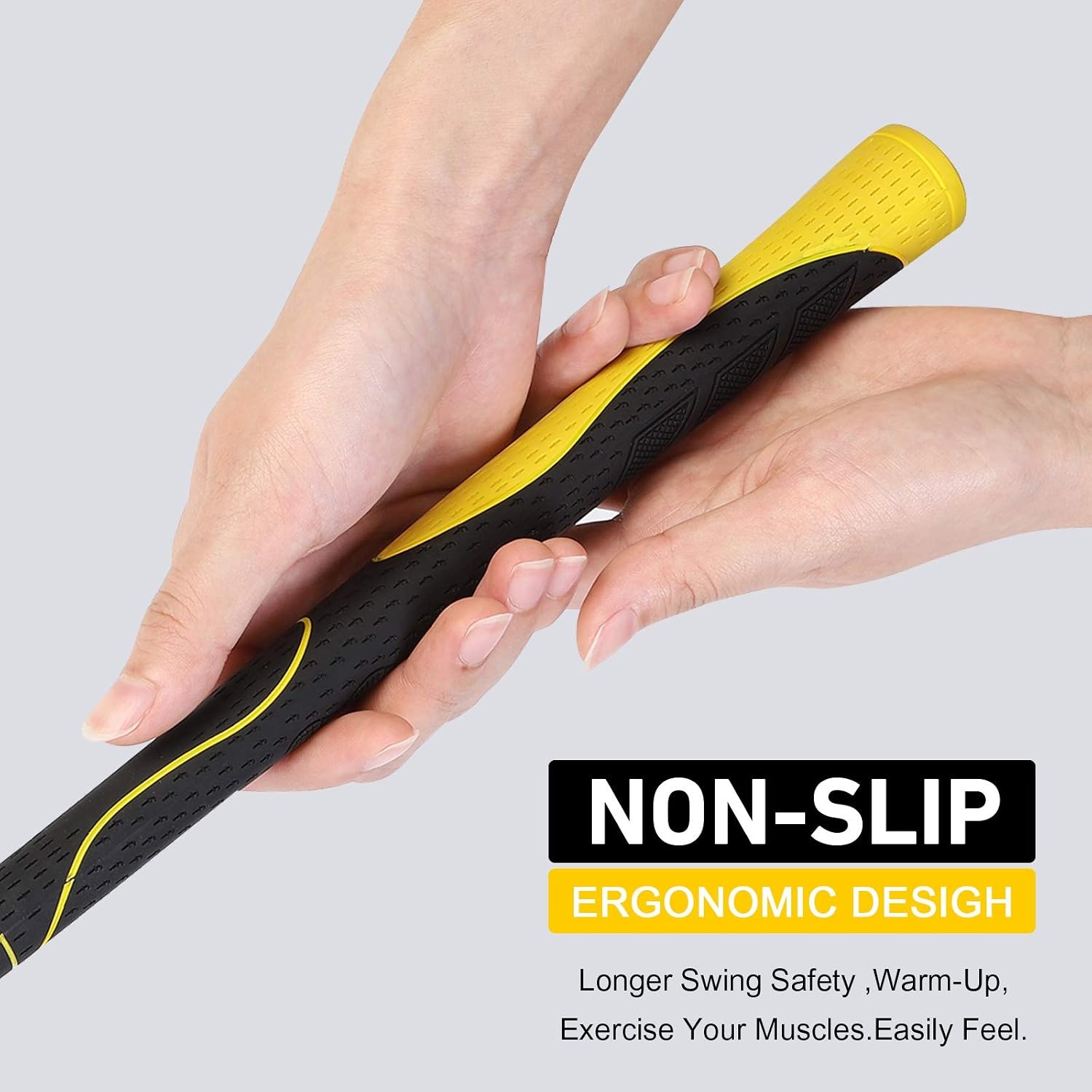
The grip material is listed as rubber, with Training given as the grip type. The shaft material is rubber composite. Yellow appears in the product detail rows, although the separate structured color attribute is blank.
There are also fields for Junior flex and 10-degree loft. Treat these as maker labels, not as a complete fitting guide. In particular, Junior does not establish an age range or tell you whether the trainer is right for a particular child. If either detail affects your choice, ask for clarification before buying.
Understand how to approach swing practice
A swing training aid belongs in a practice routine with a clear purpose. That purpose might come from your own observations or from a lesson. The important step is to know what movement you are trying to rehearse before you begin.
The maker does not provide a verified routine for this exact item. It also does not establish that a fixed number of swings will produce a certain result. Use the instructions supplied with the trainer rather than borrowing a routine written for equipment that only looks similar.
For golf tempo practice, ask an instructor what to pay attention to and how to judge your work. The equipment alone cannot tell you whether you are rehearsing the movement you intended. Keep expectations tied to the practice process, rather than a promise of lower scores or a corrected slice.
Check the 48-inch size carefully
Length is one of the first details to compare when shopping for a golf practice trainer. It affects the space you need and may affect whether a particular model makes sense for you.
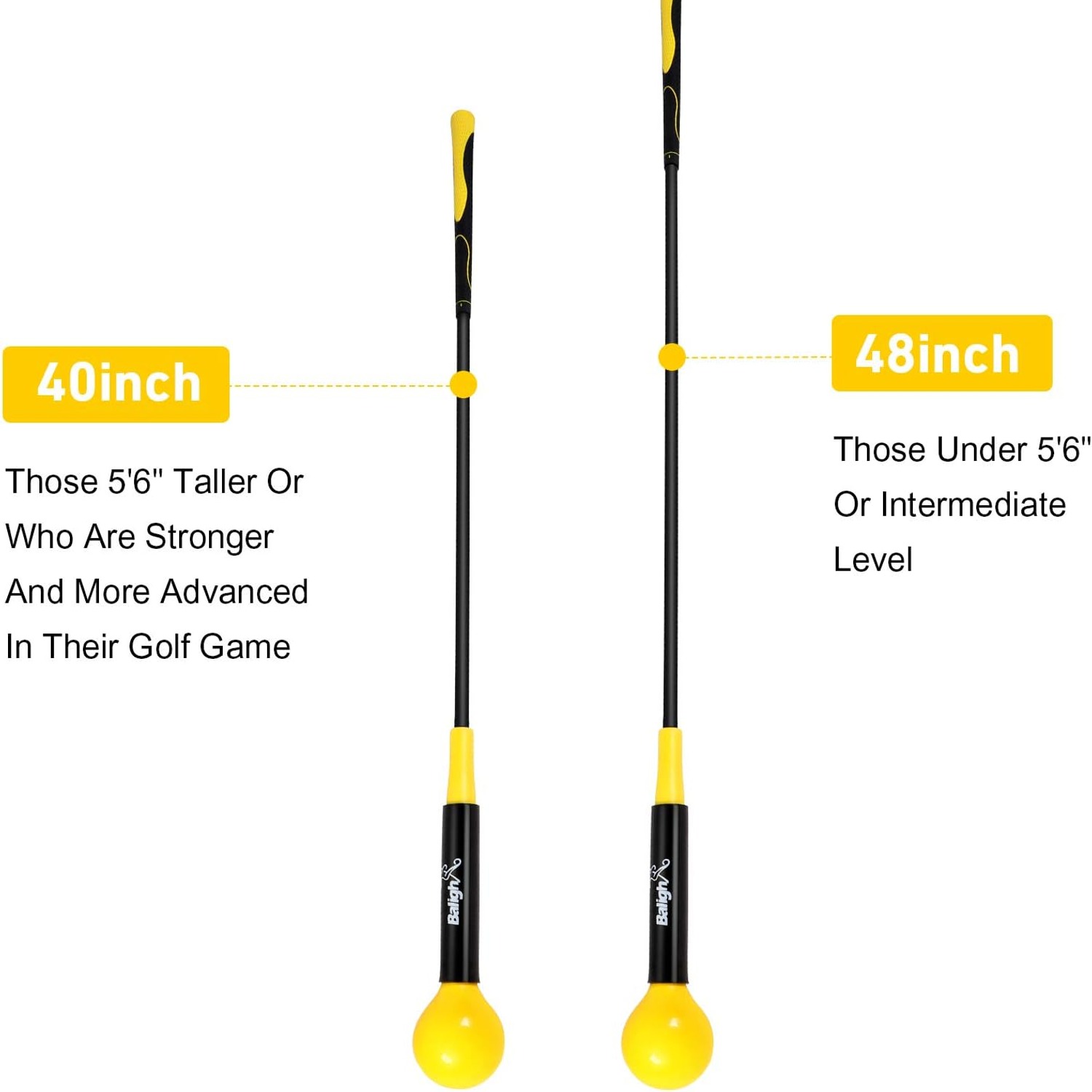
Here, 48 inches is the listed size. However, other source measurements conflict. The overall dimension row does not provide a dependable basis for planning storage or checking an exact fit. If you need a precise end-to-end measurement, get it confirmed before ordering.
The same caution applies to other sizes mentioned in the source. A reference to 40-inch equipment does not mean this order includes that version or lets you choose it. Buy according to the selected product details, not a size mentioned elsewhere in general copy. This product identifies one 48-inch item.
Left- and right-handed use
Hand orientation is straightforward in the maker's description. The trainer is listed as ambidextrous, so both left- and right-handed golfers can consider it.
That can make comparison simpler when you are looking for a left handed golf trainer. You do not need to assume that a separate left-hand version is required. Equally, someone shopping for a right handed golf trainer should note that this is not described as a right-hand-only design.
Hand orientation is only one part of suitability, though. It does not confirm the right length, grip fit or practice method for every user. If two people plan to share it, each person should assess the size and instructions rather than assuming the same setup will suit both.
Choose a suitable practice location
It is easy to picture a quick practice session at home. It takes more thought to find a place with enough clear space for the full movement.
Do not judge clearance by whether you can stand comfortably in a room while holding the trainer. Consider the area around you and above you throughout the intended motion. Furniture, lights, windows and nearby people all matter. Follow the supplied instructions when deciding whether a location is suitable.
Backyard golf practice also needs planning. Choose a clear area and account for anyone who could enter it. At a shared venue, ask about the rules first. A driving range training aid is not automatically permitted at every range, and the maker's description does not grant permission to use it there.
Know what the material details do and do not say
The useful material facts here are limited. The detail rows name rubber for the grip and rubber composite for the shaft. They also list rubber as the material type.
Those descriptions do not provide an exact formula, a construction diagram or a full account of every part. They are not a basis for claims about weather resistance, expected lifespan or particular performance.
For a rubber grip golf trainer, care should start gently. Wipe away surface dirt with a soft, slightly damp cloth, then dry the item before putting it away. Avoid harsh cleaners and abrasive pads. If the included instructions give more specific directions, follow those. Check visible parts before use and stop if you find damage.
Keep weight questions separate from head-weight claims
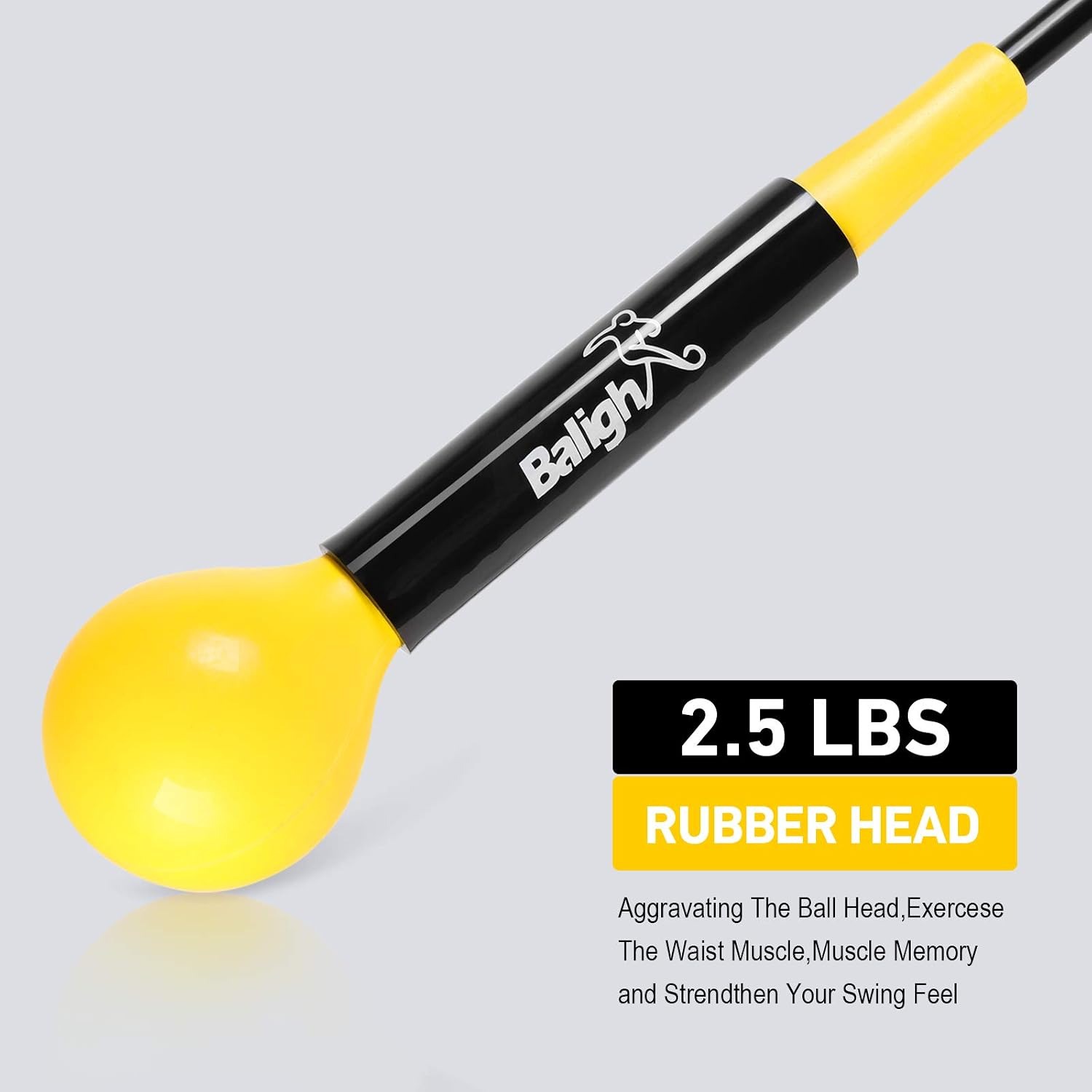
The main recorded weight is 0.48 kg. A maker detail row lists item weight as 1.05 pounds. Other source copy gives different figures, which means you should not rely on every weight reference as describing the selected item.
In particular, do not confuse total item weight with the weight of one part. The maker does not establish a verified separate head weight for this trainer.
If weight is important to your purchase, ask for confirmation of the complete item's weight and the exact model being supplied. This is especially useful when comparing golf training equipment by feel or when replacing an aid you already know. Similar pictures do not establish similar weight.
Buying for a beginner or as a gift
For beginner golf practice, a clear explanation of intended use matters more than a long list of promised results. A new golfer may need help deciding which movements to practice and which equipment to choose.
The maker does not establish a universal beginner fit. It also does not provide a reliable model-specific height recommendation. Avoid choosing on the Junior flex label alone, whether you are buying for an adult or a child.
As a gift, an ambidextrous golf trainer removes one hand-selection question. You still need to know whether the recipient wants a 48-inch aid and has somewhere suitable to use it. Asking a short question beforehand may be more useful than guessing. Keep the order information so the recipient can check instructions and any return options.
Check delivery, warranty and returns
Check the estimate for your destination before you order, particularly if the purchase is for a birthday or another fixed date.
The warranty description states one year. That brief label does not explain what is covered, which exclusions apply or how a claim is handled. Read the applicable warranty terms rather than assuming that every type of wear or damage is covered.
Change-of-mind returns are available within 14 days from delivery. The customer pays return postage. Your rights under the consumer protection law of your state also apply. Review the return process promptly if the trainer is not suitable, rather than waiting until the end of that window.
The short version
This is a single, 48-inch Golf Swing Trainer with ambidextrous hand orientation. The details list a rubber grip and rubber composite shaft.
Choose it by checking the facts that matter to your own setup. Confirm the size if fit is critical, make sure you have suitable practice space and read the supplied instructions before use. If you are unsure whether this type of aid suits your goals, ask an instructor before adding it to your golf practice accessories.