

The complete guide
A Practical Guide to Choosing Golf Iron Covers
Why use golf iron covers?
Golf clubs share a small space inside a bag. As you carry, move, or pack that bag, the heads can touch one another. Golf iron covers add a covering around individual heads, with the aim of reducing direct contact and the dinging that can come with it.
They also change how you organize your clubs. Instead of looking at a bare head, you read the marking on its cover. That makes the choice of labels worth checking before you buy, especially if you carry a mix of irons and wedges.
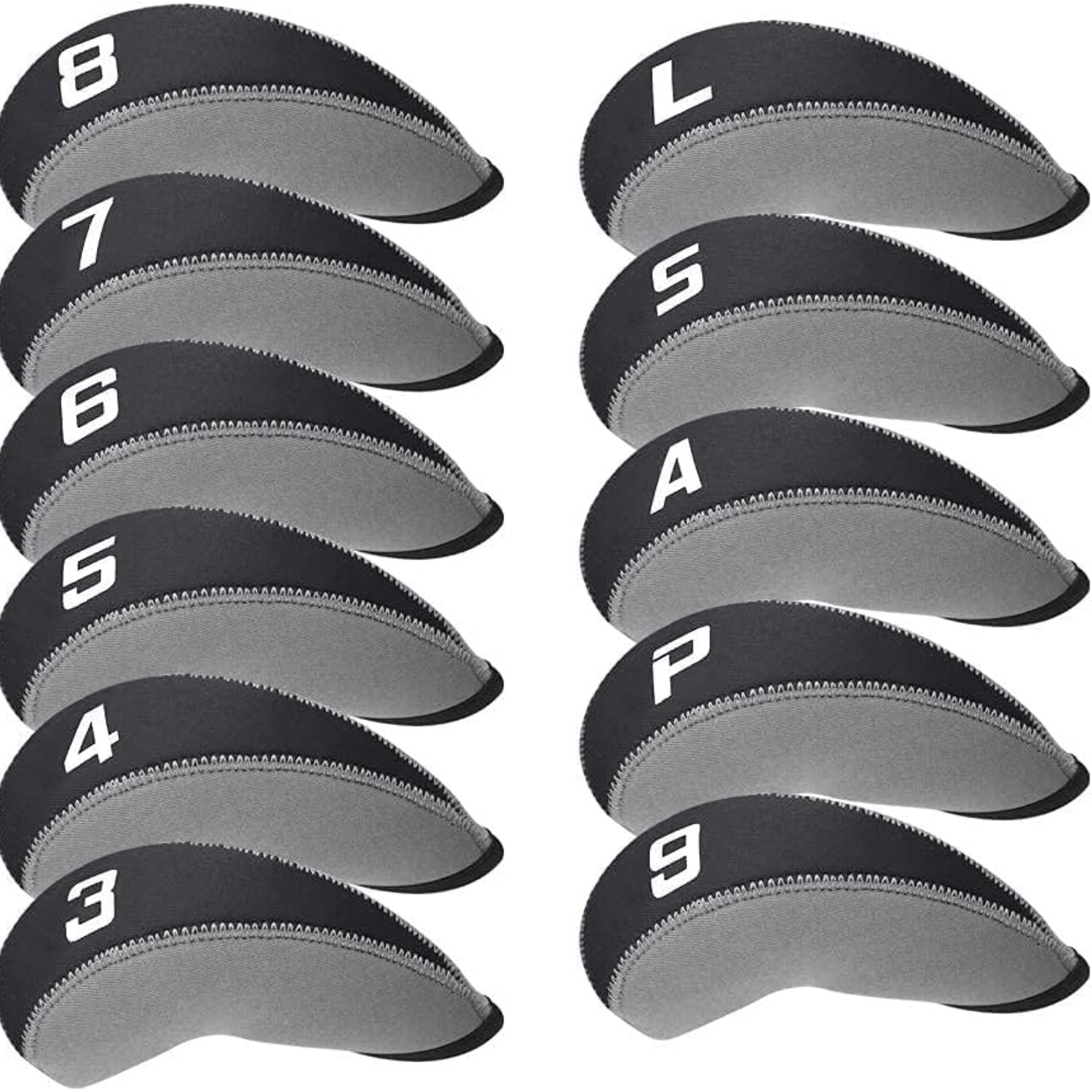
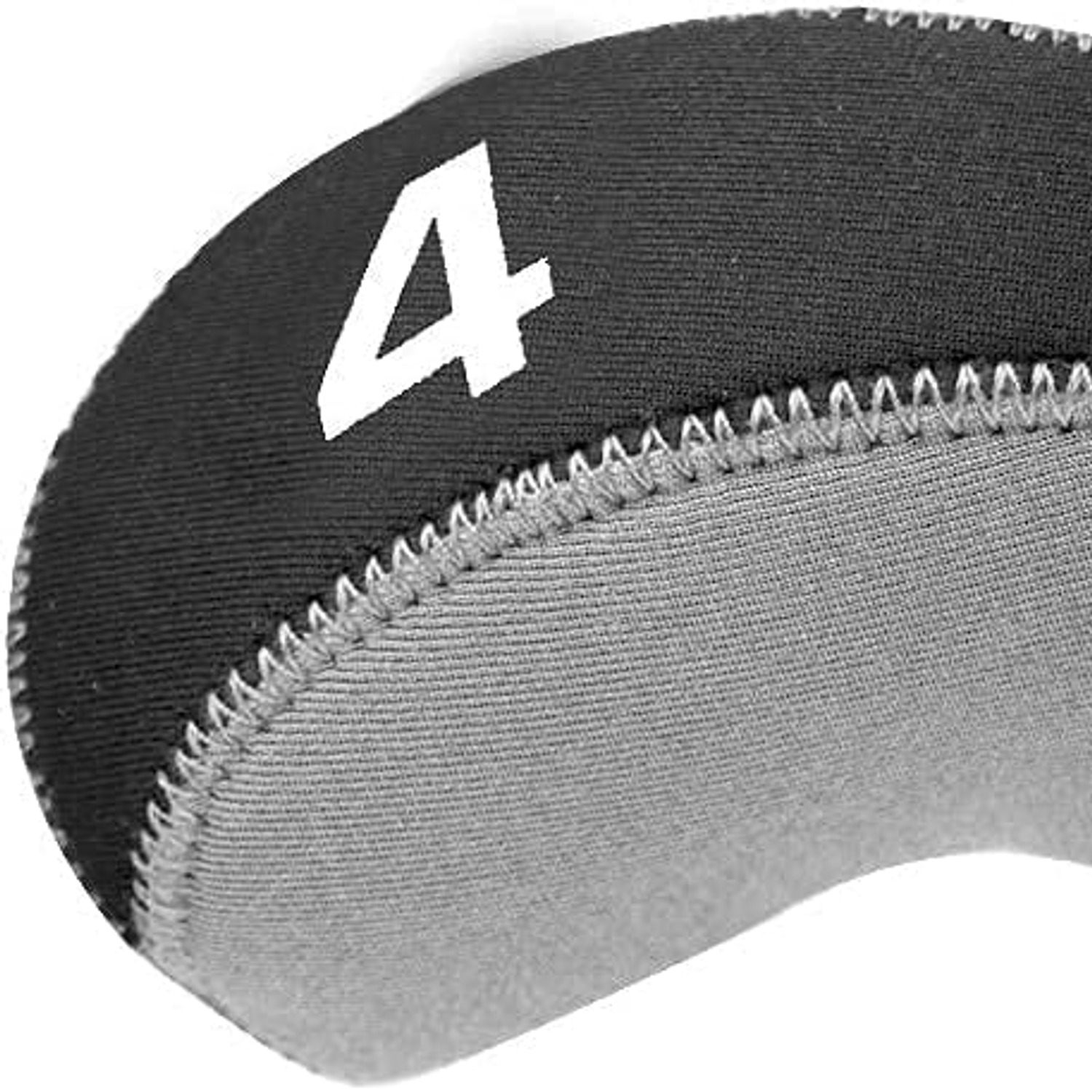
This set contains 11 neoprene covers in gray and black. It uses pull-on openings and includes markings from 3 through 9, plus P, A, S, and L. Those are the core details to compare with your own bag.
What is included in this set?
There is one cover for each of the following markings: 3, 4, 5, 6, 7, 8, 9, P, A, S, and L. The pack count is 11. It is an iron and wedge cover set, rather than a full collection of covers for every type of golf club.
No driver, fairway wood, hybrid, or putter cover is listed. If you want to cover those clubs too, you will need to consider them separately. Count the clubs you actually carry rather than assuming that 11 covers means every club in your bag is accounted for.
Some golfers will use all the supplied markings. Others may have spare covers because they do not carry a 3 iron or use a different wedge lineup. There is no need to force a match just to use the entire pack.
How the pull-on design works
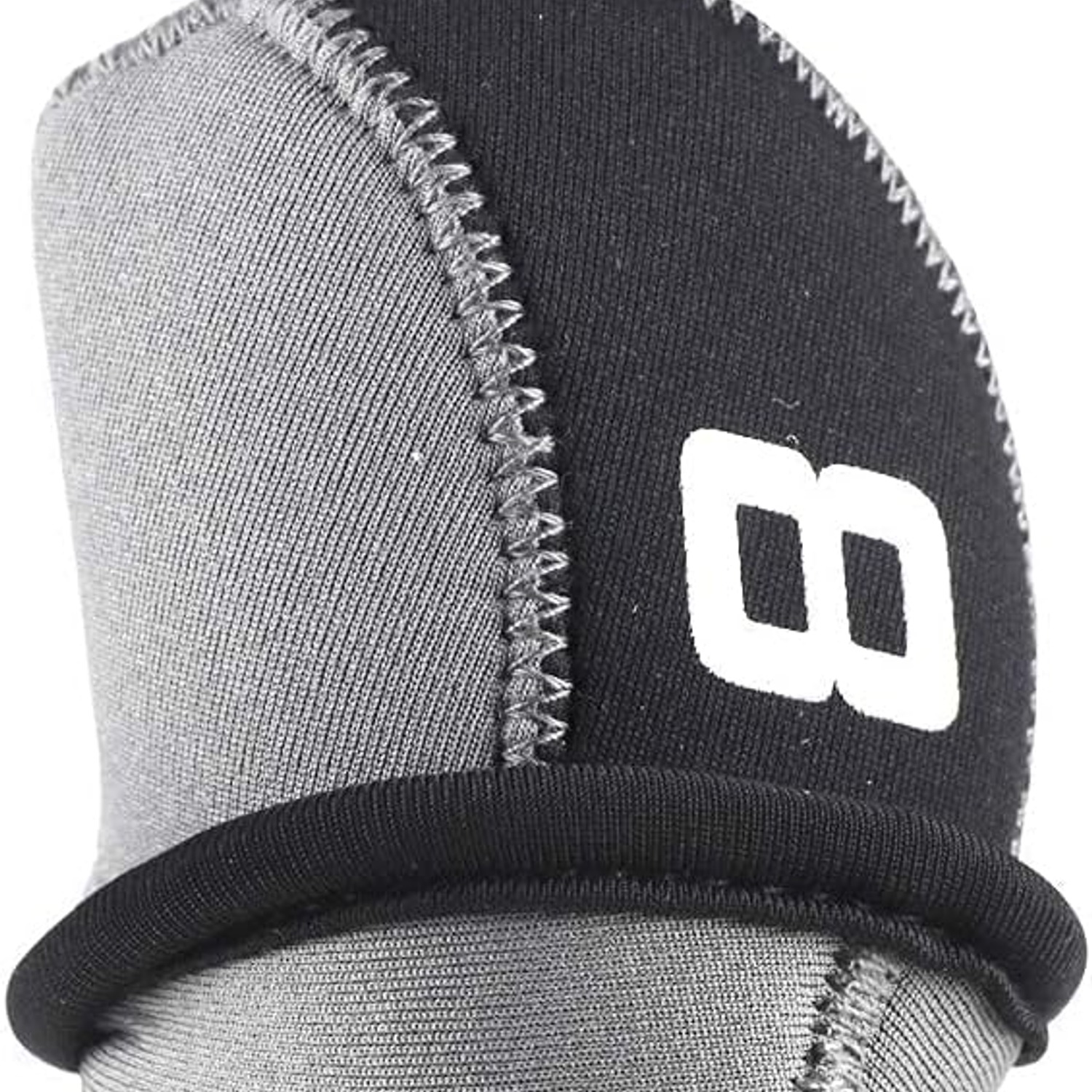
Each cover slides over a club head. There is no separate fastening step described in the product details. Before playing a shot, pull the cover off and put it somewhere you can find it again.
A consistent routine helps. You might choose one bag pocket for the cover while the club is in use, then replace it after cleaning and drying the head. The important point is to choose a place that works with the way you play.
Pull-on iron covers still need an appropriate fit. A cover should not have to be forced over a head. The maker gives no opening measurement, stretch range, or maximum head size, so those details should not be assumed from the closure type alone.
What the neoprene material tells you
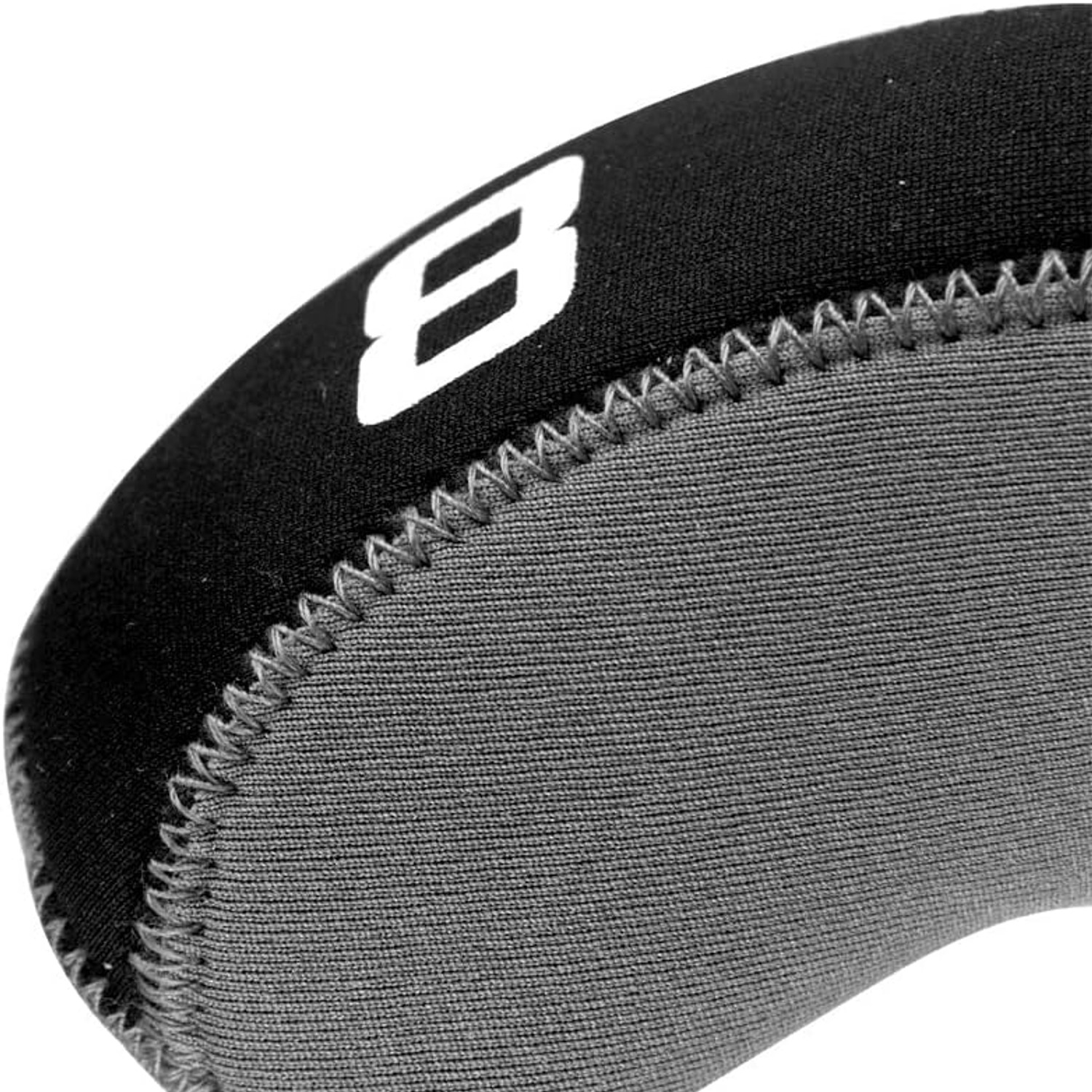
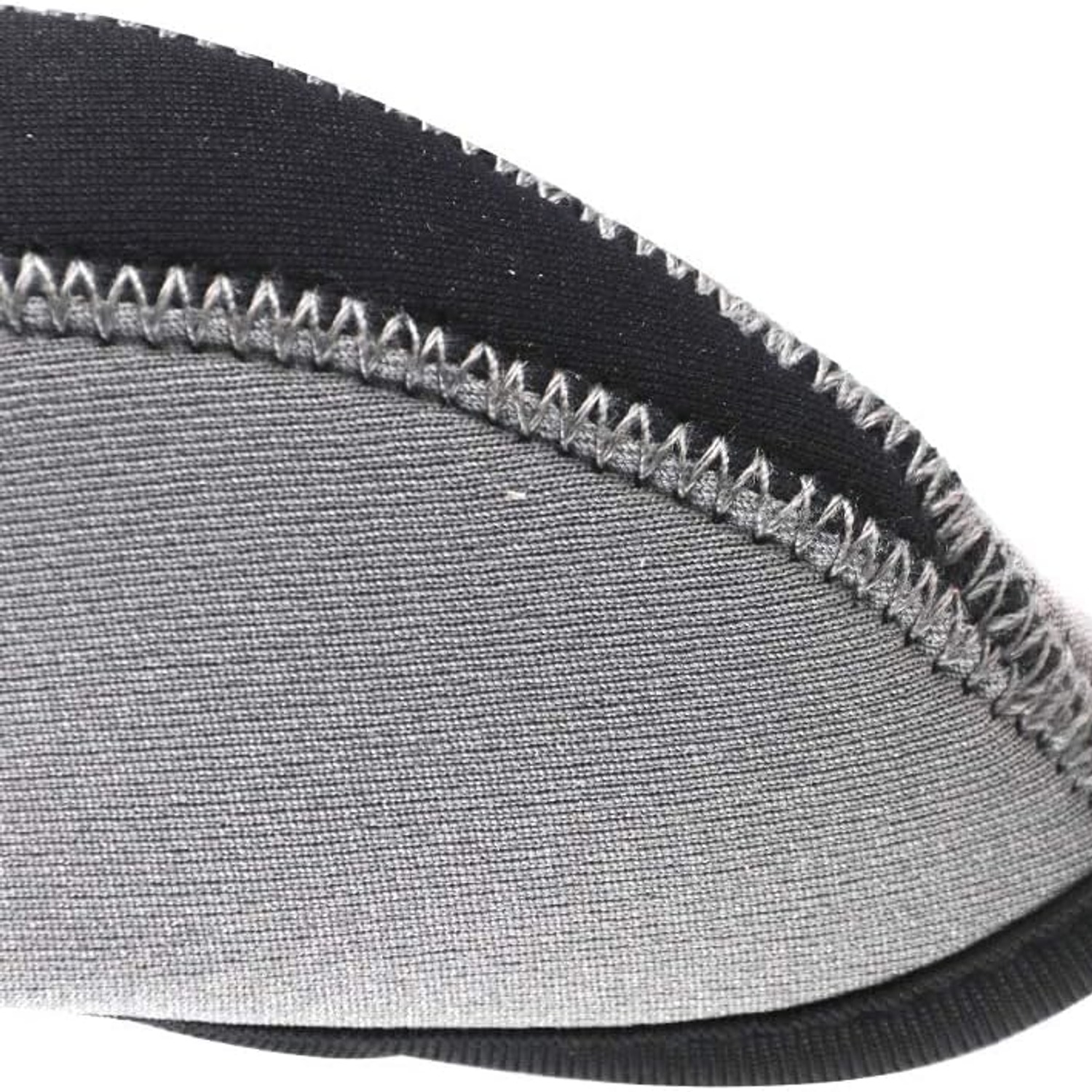
The product details name neoprene as the material. They do not state its thickness, fabric blend, or internal construction. That gives you a clear material type to compare, but not enough information to make detailed claims about cushioning.
For this set, think of neoprene as the covering between the head and nearby clubs. The stated purpose is to help reduce dinging during play or travel. It is not a promise that the clubs cannot be damaged.
There is also no waterproof rating. A material name on its own does not establish how a finished cover handles water, particularly around its opening and seams. If your gear gets wet, separate the covers from the heads and let both dry before storage.
Check the markings against your club lineup
Before ordering numbered iron covers, take a quick look at the clubs in your bag. Write down the iron numbers and wedge labels you use. Then compare that list with the supplied 3 through 9, P, A, S, and L markings.
This matters most with wedges. A golfer may identify wedges by loft rather than by letter. The supplied covers have the listed letters, so consider whether those labels will be clear to you while playing.
Printed markings are useful only if you keep them matched to the right club. When putting the covers on for the first time, work through the bag one club at a time. That is simpler than trying to remember which head is hidden beneath a cover later.
Fit deserves more attention than pack count
An 11-piece pack can look like an easy match, but the number of covers is only part of the decision. Club heads vary in shape and size. Exact dimensions are not provided for these golf club iron covers.
The maker describes broad compatibility without giving a measured fit range. That is not enough to confirm every oversized head or less common design. If you already know your irons need a particular cover size, ask for more information before ordering.
Left- or right-handed compatibility is also not specified. Avoid guessing from the photographs or the printed numbers. A short fit question before buying is more useful than finding out afterward that the cover shape does not suit your clubs.
Who might find this set useful?
This set may suit a golfer who wants individual covers for irons and wedges and prefers visible club markings. It may also appeal to someone building a matching collection of gray and black golf bag accessories.
It is worth thinking about your habits, not just your equipment. Covers add a removal and replacement step each time you use a club. Some golfers are happy with that routine, while others prefer to keep their heads uncovered during a round.
For a new golfer, the same checks apply. Match the labels, confirm fit where needed, and decide whether the extra step suits your pace. There is no need to choose covers based on experience level alone.
Using iron covers for travel
Travel is one of the intended uses stated for this set. Individual covers place material around the heads while the clubs are packed together. That is their role within a wider packing routine.
They are not a replacement for a suitable travel bag. No crush-resistance figure, drop-test result, or impact rating is supplied. Pack your clubs with those limits in mind rather than treating a head cover as complete travel protection.
Before leaving, check that each cover is still on its matching head. After unpacking, remove the covers and inspect the clubs. If anything is damp, allow it to dry before putting the equipment away for a longer period.
Build a simple cleaning routine
A little care starts with the club, not the cover. Remove dirt from the head and dry it before replacing the cover. Putting a cover over a muddy or wet head leaves that dirt or moisture inside.
For the covers themselves, gentle surface cleaning is a sensible starting point. Wipe away loose dirt and allow them to air dry. Avoid direct heat and harsh cleaners, and follow any instructions supplied with the product.
Machine-washing and tumble-drying directions are not included by the maker. Do not assume they are suitable methods. If a supplied care label gives more specific directions, use that guidance rather than treating all neoprene products the same way.
Choosing a set as a gift
Iron and wedge covers can be a practical gift, but they are easier to choose when you know the recipient's clubs. A quick check of the bag can tell you whether the included markings match.
Fit remains important even if the color and pack count look right. If you cannot confirm the head shape or size, ask the recipient or contact us before buying. Also consider whether the golfer likes using covers during play.
For gift planning, delivery timing needs a separate check. Keep the return period in mind if you are buying well before the gift date.
Know what is stated and what is not
The listed facts are straightforward. You get 11 pull-on neoprene covers with printed identifiers, in gray and black. The product weight is listed as 0.19 kg, and the maker detail row also gives 6.7 ounces.
Other details remain unstated. These include exact dimensions, maximum compatible head size, country of origin, and a product warranty. There is no need to fill those gaps with assumptions when comparing this set with another option.
Change-of-mind returns are available for 14 days from delivery, with the customer paying return postage. Your rights under the consumer protection law of your state also apply. Check the current return instructions before sending an item back.
The short version
Choose this golf iron cover set if its 11 markings match the irons and wedges you want to cover, and a pull-on design suits your routine. Confirm fit first if your heads have unusual dimensions or shapes.
Use the covers on clean, dry heads, keep track of them during play, and let them dry separately whenever needed. Their purpose is simple: provide individual head coverings with markings that help you tell your clubs apart.